
Overdose Warning Signs & Emergency Response
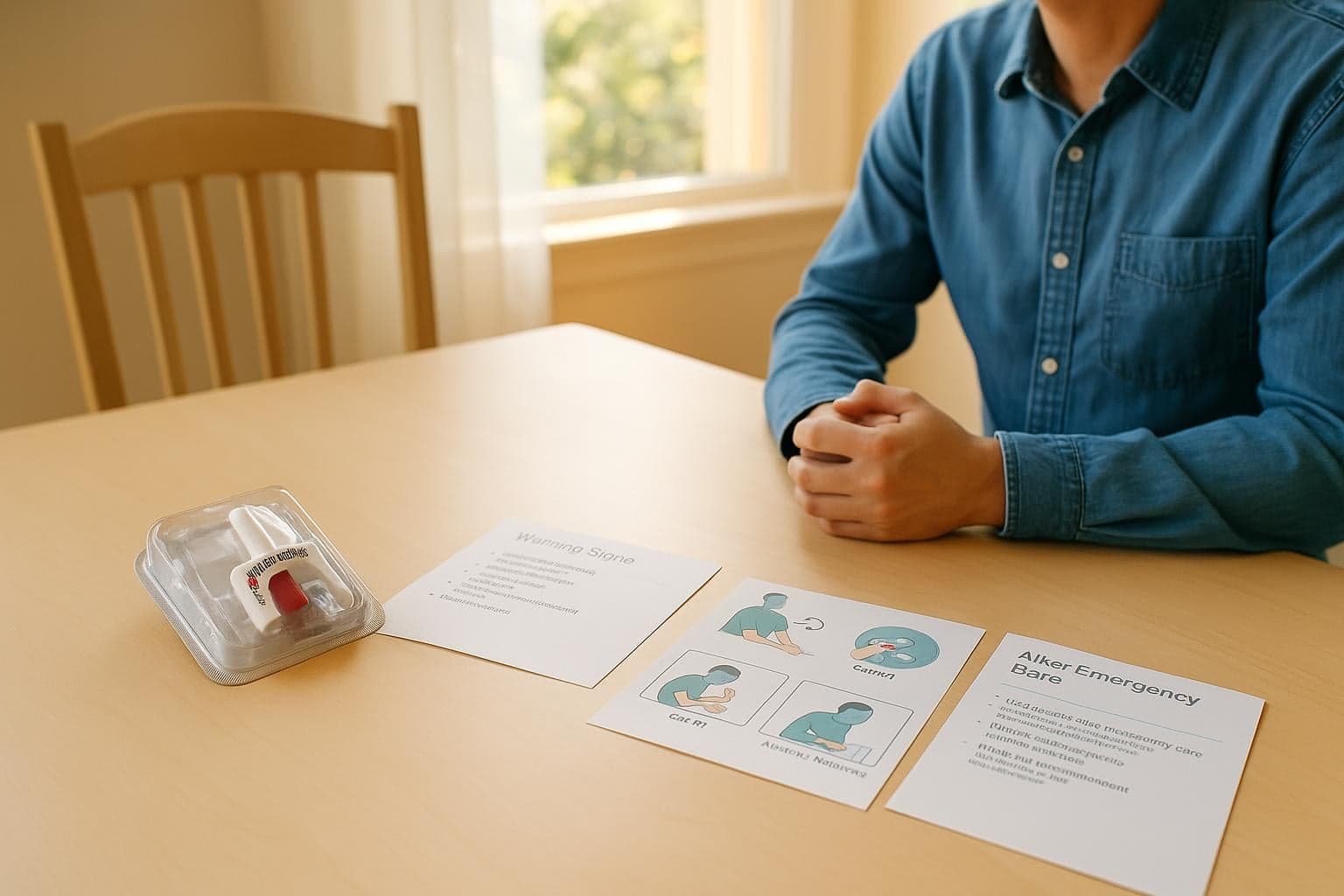
If you think someone may be overdosing now, call emergency services immediately. Use 911 in the United States, 999 or 112 in the United Kingdom, 112 throughout the European Union, Triple Zero (000) in Australia, or your local emergency number elsewhere. Put the phone on speaker and follow the dispatcher's instructions.
Do not wait for every symptom to appear or assume the person can simply “sleep it off.” If they cannot be awakened, are not breathing normally, have a seizure, are severely overheated or show another life-threatening symptom, treat the situation as an emergency. Give naloxone if opioid involvement is possible and the medication is available, but do not let this delay CPR or other directions from emergency services.
Overdose signs by substance category
Overdose symptoms depend on the substance, dose, individual and whether multiple drugs were taken. The contents of an unregulated drug may also be unknown. For that reason, it is safer to respond to the symptoms in front of you than to wait for certainty about what was used.
Common warning signs that require urgent medical attention
| Substance category | Possible overdose warning signs | Important distinction |
|---|---|---|
| Opioids, including heroin, fentanyl and prescription pain medicines | Cannot be awakened; very slow, shallow or absent breathing; choking, snoring or gurgling sounds; limp body; pale, blue or grey lips, skin or nail beds; vomiting; very small pupils | Dangerously reduced breathing is a defining concern. Naloxone may temporarily reverse the opioid effects. |
| Stimulants, including cocaine and methamphetamine | Chest pain; very fast or irregular heartbeat; rapid breathing; severe agitation, panic, paranoia or confusion; heavy sweating; rapidly rising body temperature; seizure; collapse or signs of stroke | The person may remain conscious. There is no naloxone-like medication that reverses stimulant toxicity, although naloxone should still be given if opioid exposure is possible. |
| Alcohol and other depressants, including sedatives | Confusion; difficulty staying conscious; vomiting; seizure; slow or irregular breathing; slow heart rate; clammy skin; very low body temperature; poor gag response; unconsciousness | Naloxone does not reverse alcohol or non-opioid sedatives. Combining depressants can intensify breathing suppression and other dangers. |
Pinpoint pupils can support suspicion of an opioid overdose, but their absence does not make the situation safe. Similarly, someone experiencing stimulant toxicity may be talking or moving while still facing a medical crisis from overheating, abnormal heart rhythm, seizure or stroke. CDC guidance notes that opioid and stimulant effects can occur together, including when fentanyl is present in another drug. See Fentanyl Addiction: What You Need to Know and Opioid Addiction: Signs, Symptoms & Treatment for further context.
When in doubt, treat it as an overdose
Call emergency services if a person is unresponsive, not breathing normally, having a seizure, severely overheated, experiencing chest pain or rapidly deteriorating. Do not wait to identify the substance. An overdose can be fatal, and mixed or counterfeit drugs may produce an unexpected combination of symptoms.
Step-by-step emergency response
The most important response is to get professional help moving while supporting the person's breathing. Stay calm, give the dispatcher your precise location and describe what you see. If you know what was taken, tell responders honestly; this information can guide treatment. Do not spend time collecting a detailed history before calling.
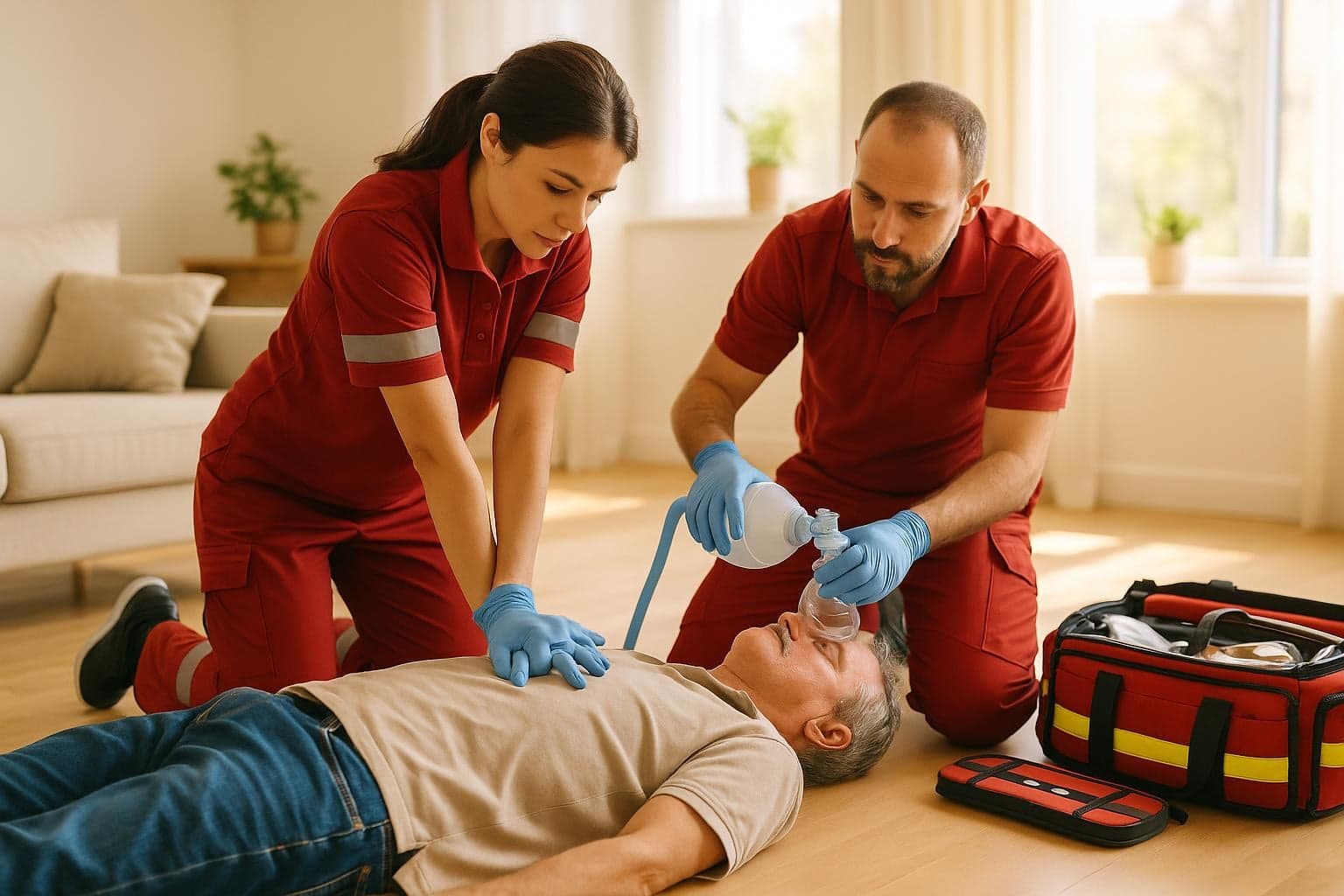
What to do if someone may be overdosing
- Check that the area is safe before approaching. Avoid direct contact with loose powders, needles or other hazards.
- Try to wake the person by speaking loudly and gently tapping or shaking their shoulder. Check whether they are breathing normally.
- Call the local emergency number immediately and put the phone on speaker. Follow the dispatcher’s instructions.
- If the person is not breathing normally, begin CPR and use an automated external defibrillator if available and if directed or trained. Naloxone should not delay or interrupt CPR.
- Give naloxone promptly if opioid involvement is known or possible. Use the product exactly as its label or training instructions direct.
- If the person is unconscious but breathing normally, place them on their side in the recovery position. Do not use the recovery position instead of CPR when they are not breathing normally.
- Stay with them, continue checking their breathing and be ready to give another naloxone dose if instructed or if the product directions indicate it.
- Give the package, container or reliable information about the substance to emergency personnel, but do not put yourself at risk searching for it.
Do not make the person vomit, place them in a bath or cold shower, give coffee, offer food or drink, or force them to walk. Do not put anything in the mouth of someone having a seizure or restrain their movements. Clear nearby objects where possible and follow the emergency operator's instructions.
A person who wakes after naloxone still needs emergency assessment. Naloxone is temporary, and breathing problems can return as its effects wear off or when longer-acting opioids and other depressants are involved. Emergency evaluation is also important because an apparent overdose may involve a head injury, heart problem, stroke or another condition.
Naloxone: what it is, how to get it and how to use it
Naloxone is an opioid antagonist: it blocks opioid effects and can restore breathing during an opioid overdose. It works on opioids such as fentanyl, heroin, morphine, oxycodone and hydrocodone, but it does not reverse alcohol, benzodiazepines, cocaine or methamphetamine. World Health Organization guidance recommends access and training for people likely to witness an opioid overdose, including people who use opioids and their families or friends.
In the United States, naloxone nasal spray is available over the counter, and naloxone may also be obtained through pharmacies, community distribution schemes and many syringe services programs. Availability, cost and prescription rules differ internationally, so ask a pharmacist, doctor, public health service, harm-reduction organization or addiction treatment team about local options. People at elevated risk and those close to them can consider keeping more than one dose accessible.
How to use a single-use naloxone nasal spray
- Remove the device from its packaging only when it is needed. Do not test or prime a single-use device.
- Support the person's head and insert the nozzle into either nostril as directed on the label.
- Press the plunger firmly to deliver the entire dose. Each single-use device contains one dose.
- Call emergency services if this has not already been done, and support breathing or perform CPR as directed.
- Watch the person closely. If they do not respond after two to three minutes, give another dose with a new device according to the product instructions.
- Use a new device for every repeat dose and continue emergency care until professional help arrives.
- If the person begins breathing normally but remains unconscious, place them on their side and monitor them. Give another dose if overdose symptoms return before help arrives.
Naloxone can trigger rapid withdrawal in someone who is physically dependent on opioids, leading to symptoms such as nausea, sweating, agitation, vomiting or body aches. These reactions can be distressing, but they are not a reason to withhold naloxone during a suspected life-threatening opioid overdose. Follow the package instructions and emergency dispatcher's guidance, and speak with a pharmacist, doctor or clinical team if you need training or advice about a particular product. The Withdrawal Symptoms & Timelines by Substance guide explains how withdrawal differs from overdose.
Good Samaritan laws and calling for help
Fear of police involvement or legal consequences can make witnesses hesitate, but an overdose is a medical emergency in which minutes matter. In the United States, many states and the District of Columbia have overdose-specific Good Samaritan protections intended to encourage people to seek emergency assistance. Depending on the jurisdiction, these laws may offer limited protection from certain drug-possession or paraphernalia charges for the person calling or the person overdosing.
Protections are not identical everywhere. They may not cover outstanding warrants, drug distribution, unrelated offences, probation or every person at the scene. Naloxone access and civil-liability rules also vary. Good Samaritan protections in other countries depend on local law. This article is not legal advice, but uncertainty about legal coverage should not delay a potentially life-saving emergency call. State or national government sources can explain the rules where you live.
Do not leave the person alone
Call for help, stay at the scene if it is safe and tell responders what you know. Leaving an unconscious person without monitoring can allow breathing problems, choking, overheating or seizures to go untreated.
What happens after emergency response: the path to treatment
Paramedics and emergency clinicians may support the airway and breathing, monitor oxygen levels, heart rhythm, temperature and consciousness, give additional medication, and investigate complications or other possible causes. The observation period depends on the substance, symptoms, response to treatment and whether longer-acting drugs may be involved. The American Heart Association recommends healthcare observation after a person responds to an opioid antagonist until the risk of recurrent breathing suppression is considered low and vital signs and consciousness are stable.
Once the immediate danger has passed, a non-fatal overdose can become an opportunity for compassionate, practical support. A clinical team may discuss take-home naloxone, safer-use planning, withdrawal management, physical and mental health needs, and referral to ongoing care. The right setting might involve outpatient appointments, residential care, medically supported withdrawal or another option described in Levels of Care in Addiction Treatment: Detox to Aftercare.
- For opioid use disorder, clinicians may discuss evidence-based medications such as buprenorphine, methadone or naltrexone. Medication choice and timing require an individual medical assessment.
- For alcohol or sedative dependence, abruptly stopping can be unsafe for some people. Ask a doctor or admissions team whether supervised Medical Detox: What to Expect is appropriate.
- For stimulant-related problems, follow-up can address sleep, nutrition, cardiovascular or psychiatric symptoms and provide behavioral treatment and recovery support.
- Screening should consider depression, trauma, anxiety and other Co-Occurring Disorders: Addiction & Mental Health, not substance use in isolation.
- Family members can offer support without blame, help replace used naloxone and explore the practical steps in How to Help a Loved One Get Into Rehab.
Treatment is not one-size-fits-all, and accepting emergency care does not commit someone to a particular program. A doctor, addiction clinician or admissions team can assess safety, substance use patterns, withdrawal risk and personal circumstances. Guides such as Alcohol Use Disorder: Signs, Symptoms & Treatment and Types of Therapy Used in Addiction Treatment can help people understand the options before making a longer-term plan.
Explore Rehabs by Location
Related Reading
Frequently Asked Questions
Call emergency services immediately—911 in the United States, 999 or 112 in the UK, 112 in the EU, Triple Zero (000) in Australia, or your local emergency number. Check whether the person is breathing normally. Start CPR and use an AED if needed, following dispatcher instructions. Give naloxone if opioid involvement is possible, without delaying CPR. If the person is unconscious but breathing normally, place them on their side. Stay with them until help arrives, even if naloxone wakes them.
Related Articles

Behavioral Addictions: Gambling, Gaming & More
Behavioral addictions involve repeated activities that become difficult to control and continue despite meaningful harm. Gambling is the clearest clinically recognized example, but…
Fentanyl Addiction: What You Need to Know
Fentanyl addiction is a form of opioid use disorder involving one of the most potent opioids in the current drug supply. It can develop after repeated use of illegally made fentany…

Opioid Addiction: Signs, Symptoms & Treatment
Opioid addiction can develop through prescription pain medicines, heroin, illicitly manufactured fentanyl, or other opioids. It is not a moral failing or a lack of willpower. Clini…