

Ashburn Clinic
About Ashburn Clinic
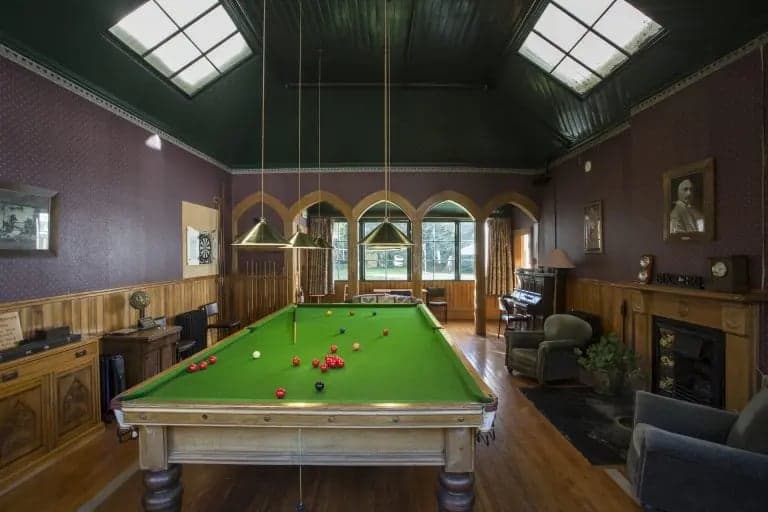
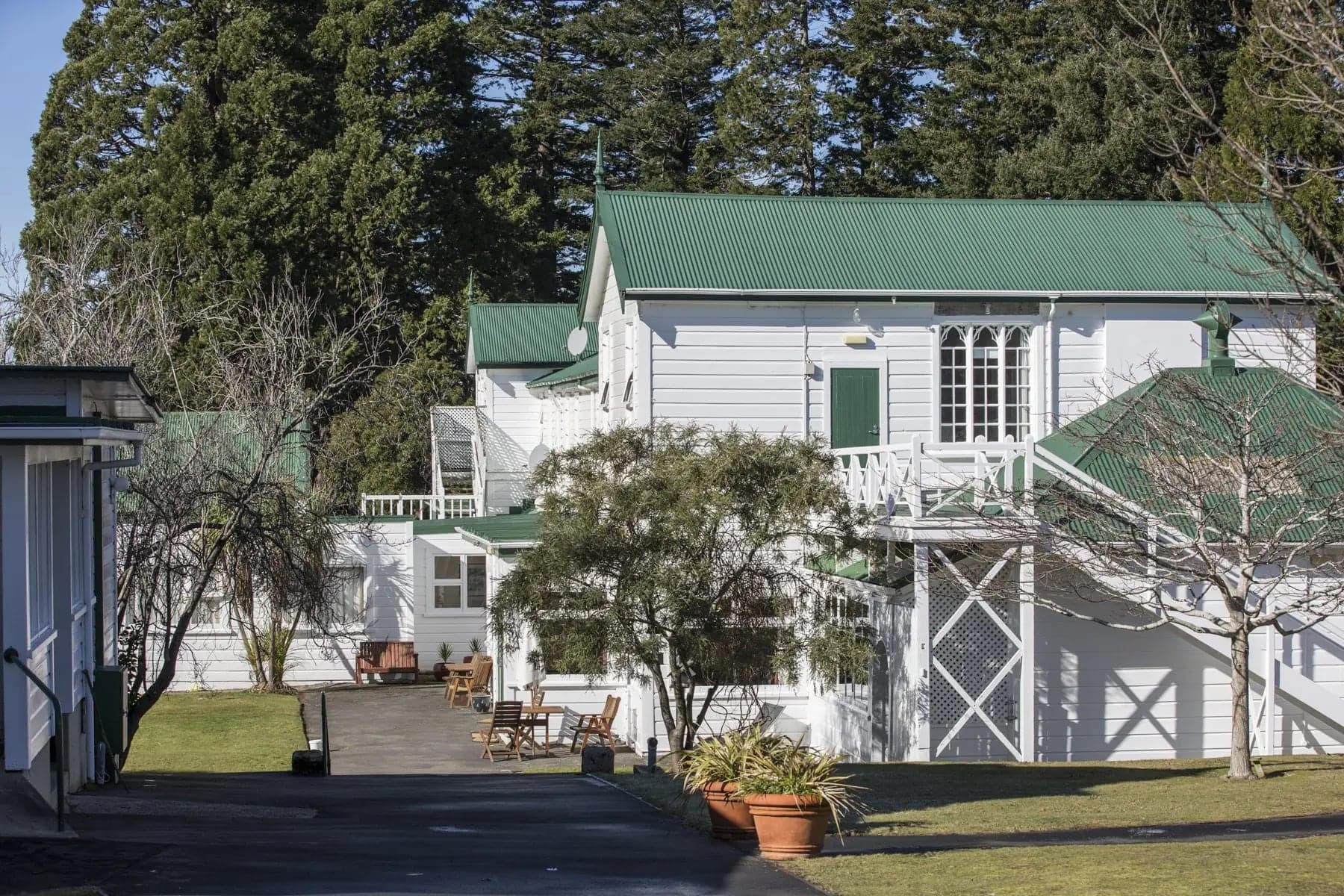
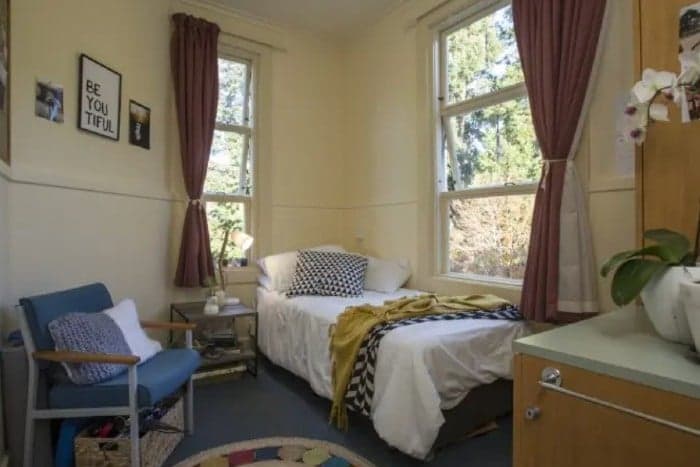
Ashburn Clinic is a not-for-profit psychiatric hospital and rehabilitation centre in Dunedin, New Zealand. Established in 1882, it provides residential and outpatient care for people experiencing addiction, trauma, eating disorders, mood disorders and other complex mental health concerns. Adults and young people aged 17 or older may be considered for admission following a referral from a registered health professional. Treatment is centred on a Democratic Therapeutic Community, where patients participate in structured groups, shared responsibilities, recreation and decisions affecting community life. This collaborative model combines peer support with individualised clinical care, helping residents understand patterns in their emotions, relationships and behaviour while developing healthier ways of managing everyday challenges. Ashburn's multidisciplinary services include psychiatry, psychotherapy, nursing, addiction treatment, occupational therapy, dietetic support and medication management. Residential units provide around-the-clock nursing and clinical assistance, while Alexander House offers a more independent setting for suitable patients preparing to return to community living. Outpatient psychiatry, psychotherapy, medication review and other specialist services are also available. Located in Halfway Bush, the clinic offers access to gardens, walking trails and outdoor spaces alongside practical and recreational activities. Its structured environment is intended to support sustained recovery, personal responsibility and renewed confidence rather than focusing only on short-term symptom relief.
Centre Highlights
Pricing by Programme
Costs vary by programme type -- contact the centre directly to confirm exact pricing for your situation.
Location
View on MapsActivities
Gardening and Outdoor Connection
Patients can spend time gardening and engaging with the clinic's natural surroundings. These activities provide gentle structure, practical responsibility and opportunities for restorative time outdoors.
Walking, Hiking and Biking
Walking trails, hiking and biking offer active ways to support physical wellbeing and healthy daily routines. Participation can also create space for reflection and positive social connection.
Cooking Classes
Cooking activities help participants practise planning, cooperation and everyday living skills. Preparing food within a community setting can build confidence for greater independence after treatment.
Farming Activities
Hands-on farming activities connect residents with purposeful outdoor work. Shared tasks encourage responsibility, consistency and constructive participation in community life.
Reviews from Guests
Real experiences from people who've been there.

I strongly believe that one day there will be an inquiry into what happens in this place. I pray for this. We do need to be heard. We are told to 'go ahead and complain no one will listen to you because they just see you as mentally ill' and unfortunately that is how this nightmare is continuing. This situation needs a hero. The cruelty, abuse and manipulation really is rife. Patients know they have to be cruel to others or they will suffer themselves. So they're cruel and lie about other patients. You can't really blame them. They're just trying to survive their already traumatised lives. No one there deserves to be treated this way and it does change who you are and not for the best. Most learn how to say what the staff want to hear to protect themselves from further harm. So there is very little genuine 'work' as they refer to it, done here. You will see a few reviews praising the clinic. Those patients don't get chosen or singled out for abuse and aren't put through what most experience. Those chosen ones will be boosted up and treated differently and may feel quite superior. They either cannot see (this is unlikely) or do not want to see what others go through. They do not want to suffer the same as the majority. Honestly they are equally victims though. One person who was treated like this really didn't get to work on themselves at all and I doubt the boost to their self esteem would last for long term recovery. I have more to say. I will continue. But for now...

Do Not go here worse experience they are only after money do not care about anyone and is a massive bullying problem that is ignored by staff even when brought up. I checked out yesterday and am off to a way better rehab in Auckland

There is no support in place here. Staff aren't qualified with mental health issues. You can be seen crying and having a break down in your room and they will just shut the door. Staff here are disrespectful, rude, aggressive, controlling, bossy, and confronting. There are 2 main nurses here which I have huge issues with. Both are not understanding of mental health at all. If you feel suicidal, homesick, overwhelmed, anxious, they will pressure you until you get up and they will throw a " Well, this is apart of your treatment " Treatment being a 40 person group talking about farewells, moving houses, who's absent and more. Smaller groups are very toxic, staff and patients bashing other patients. There are some very kind staff here. Unfortunately the majority don't care about you. The ones I have issues with need to be fired. For this reason, I am leaving this nightmare, Ward 9C is a much better place than this and more supportive and understanding. If you come here be prepared to be abused emotionally, become suicidal, potentially self harm, cry, break down, anxiety, panic attacks and so on. I ignored the reviews and wanted to see for myself, and I wish I had gone with my gut feeling. Patients are super friendly and welcoming, at least the ones I have had conversations with. Staff make it patients job to support other patients. Which is wrong. Groups are disgusting. Staff and patients bullying others until they break down. Really disgusting. When you do want to leave, you'll find that the staff become nicer so you stay. Just as when you first come. I've been put backwards mentally so far that it's going to take me weeks to recover from this traumatic experience. Patients are lovely, food is apparently good and night staff are kind. Unfortunately the issues I have with these staff members are making this place toxic for me and overwhelming me to the point of becoming suicidal. I can't wait until I finally leave this nightmare. Do yourself a favor and save yourself the trauma and emotional pain by staying away.

It's hard to review Ashburn, which has many terrible aspects & a few good ones. The 2nd half of the review will be in photos Some staff are great & care about patients, especially a few nursing staff, a HCA & the psychotherapists. However, if you go to AB you will be met with a toxic enviro with many unwell patients, many competing to be the sickest. This results in patients acting out at every chance, draining the VERY limited staff & traumatis1ng other patients. Personally, I ended up with months of PTSD from a patients behaviour. These were NOT uncommon acts, it happened on average 1-4 times a week. We had countless pol1ce, search dogs, as well as a police negotiation team, countless fire brigades due to patients barricading doors trying to 3nd themselves on the other side, as well as patients climbing on the roof threatening to jum-p. There were countless ambulances. We had staff quit because they were so traumat1sed over what they had to deal with. I believe this is AB's fault. They take in patients who are very acute into a non-acute facility. AB also only has medical doctors on site 2x a week, yet they take in patients with predominant eating disorders who almost always get worse (no supported meals, if you don’t get your meals no one makes you, & binge/purg1ng occurs without staff intervention. Other patients will bring it up in large meetings of 25+ people & some will be angry as it’s triggering them, but this rarely stops the behaviours). Most get very medically unwell, beyond what AB is capable of dealing with, & then are sent home to hospitals, etc. I strongly do not believe AB has the skills to deal with ED patients. I know maybe 2 people (over 2 years) who actually improved. AB notoriously (as many have pointed out) has blatant favourites. One patient will be discharged for something whereas a favourite will get away with near anything, usually severely traumatising other patients simultaneously. They can literally stay on for years engaging in behaviours due to their fav status. I never saw these patients ever do well, partly because they were so attached to the sickness identity. This favouritism game creates a toxic enviro & resentment, but staff gaslight patients who bring it up. I did see some patients (usually in the addict1on program) do well. These were those who tended to be less complex or chronically unwell. They managed to stay removed or less affected by the toxic enviro. They were also there for much shorter durations. It was certainly a thing that a zero time limit meant many other patients just lived at AB, not improving, & just using it as a way to avoid the real world I can only speak for 2 psychiatrists. One broke profess1onal boundaries when they stopped working at AB with a favourite, staying involved in their care & making sure they weren’t discharged despite their behaviour & lack of progress indicating discharge was well warranted (overheard this myself from the psychiatrist). The other was again one who favourited patients & seemed to have a complete inability to tell when someone was not going to do well at AB. The patients were almost always right in gauging how a patient would do, but this psychiatrist seemed to have no clue. They weren’t rude to patients at all, but they were admitting acute patients under some delus1on they would become non acute once they got to AB. The psychotherapists were amazing they really cared & tried hard to help patients. There was only one who seemed to break this trend. This is what I’d say is the best thing about AB. However, people considering AB have to weigh up whether being traumat1sed by AB in other ways is worth seeing a therapist there, or if you’re better off getting one in the community. There's about 3 meetings a day ranging from about 15 to 55 patients/staff. These often were a waste of time, mundane stuff like where to place a painting could be discussed for half an hour. Self-harming was so common it was just accepted as normal & rarely brought up unless it was serious...
Addiction and Mental Health Treatment
Levels of Care
Core Counselling and Community Therapies
Evidence-Based Behavioural Therapies
Addiction Recovery Services
Creative, Practical and Experiential Therapies
Clinical and Medical Support
Setting and Amenities
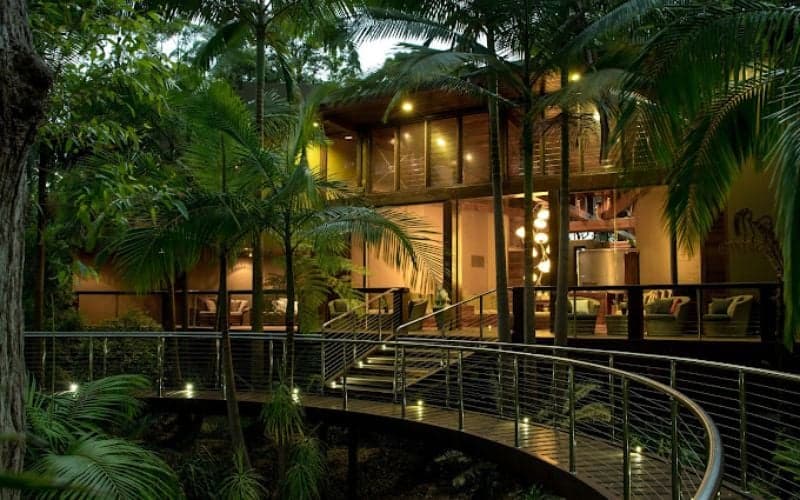
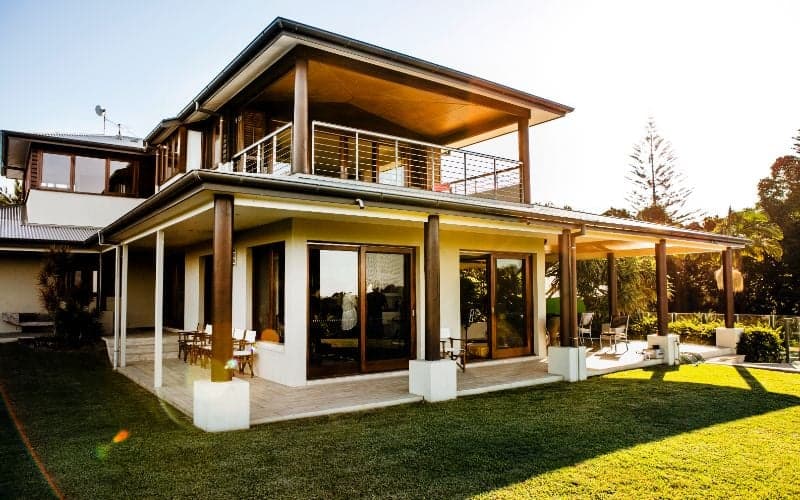
Outdoor Environment
Indoor Comfort and Recreation
Community Living
Similar Centres
Admissions and Practical Information
Prospective patients and families can contact Ashburn Clinic to discuss referral pathways, funding and whether its therapeutic-community model may be appropriate.
The following therapies are included: group therapy, 1-on-1 counseling and more.