
Aftercare Planning: Life After Rehab

Finishing a residential or intensive treatment program is a meaningful milestone, but it is not the end of recovery. Life after rehab brings ordinary pressures back into view: work, family responsibilities, money, health, loneliness, social situations, and access to alcohol or other drugs. An aftercare plan for addiction recovery creates a practical bridge between the structure of treatment and daily life.
Good aftercare is personal rather than one-size-fits-all. It may combine clinical treatment, medication, peer support, stable housing, healthy routines, and a written relapse prevention plan. It should also explain exactly what to do when warning signs appear. Ideally, planning starts before discharge and involves the person in recovery, their clinical team, and trusted supporters—with consent and appropriate privacy boundaries.
Why aftercare is what actually determines long-term success
No single service can guarantee long-term recovery, and completing rehab does not remove every trigger or vulnerability. Instead, aftercare helps people continue practising the skills developed during treatment while receiving support as their needs change. The US Department of Veterans Affairs recommends a written continuing-care plan that covers appointments, prescriptions, warning signs, triggers, coping responses, and mutual-help resources.
Research supports this continuing-care approach, although results vary between people and programs. A 2021 review by addiction researcher James McKay found that continuing care generally produced benefits, with more consistent results when support lasted longer and programs actively worked to keep participants engaged. People with a higher risk of returning to substance use may receive particular benefit. This is why discharge should be treated as a transition between Levels of Care in Addiction Treatment: Detox to Aftercare, not as a sudden end to care.
An effective plan should be reviewed rather than filed away. Early recovery may require frequent appointments and substantial structure; later, support may become less intensive while remaining available. Changes in cravings, mental health, housing, relationships, medication, or substance use may indicate that the plan—or the current level of care—needs to be adjusted with a clinician.
Common aftercare components: therapy, groups, sober living, alumni programs
Aftercare can include both formal treatment and non-clinical recovery support. The right combination depends on the substance involved, physical and mental health, relapse history, home environment, personal preferences, culture, responsibilities, and available resources. SAMHSA describes recovery as highly personal and supported through multiple pathways, which may include professional care, medication, peer support, family support, faith communities, and self-care.
Common elements of an aftercare plan
| Component | What it may provide | Questions to ask |
|---|---|---|
| Individual or family therapy | Help with triggers, emotional regulation, trauma, relationships, and practical problem-solving | How often will sessions occur, and does the clinician have relevant addiction experience? |
| Outpatient treatment | Structured clinical services while the person lives at home or in recovery housing | Is standard, intensive, or medically managed outpatient care appropriate? |
| Peer or mutual-help groups | Shared experience, accountability, connection, and regular recovery-focused contact | Which group format, philosophy, schedule, and community feel comfortable and accessible? |
| Sober living or recovery housing | A substance-free home environment with varying levels of structure and peer support | What are the rules, staffing arrangements, fees, medication policies, and complaint procedures? |
| Alumni or continuing-contact programs | Check-ins, events, groups, mentoring, or connections to services after discharge | Who runs the program, how is privacy handled, and can it respond to clinical concerns? |
Therapy may continue work started during rehab, including approaches described in Types of Therapy Used in Addiction Treatment or Cognitive Behavioral Therapy (CBT) for Addiction. If addiction occurs alongside depression, anxiety, trauma, bipolar disorder, or another condition, coordinated care is important; the Co-Occurring Disorders: Addiction & Mental Health guide explains why treating both areas can matter.
Recovery housing is not automatically the same as residential treatment. It generally provides a stable, recovery-supportive place to live, while clinical services may be delivered separately. ASAM’s current framework recognizes that some people receiving outpatient care may also need a recovery residence. Before choosing a home, review the questions in Sober Living Homes: What They Are & How to Choose One and confirm local certification, oversight, medication policies, and resident protections.
Building a personalized relapse-prevention plan
A relapse prevention plan is a written, usable response guide—not a promise that difficult thoughts or cravings will never occur. It identifies personal risks, protective routines, coping strategies, supportive contacts, and clear thresholds for seeking more care. Keep it somewhere accessible, and consider giving a copy to one or two trusted people who understand their role.
What to include in your plan
- List personal triggers, including people, places, emotions, conflicts, celebrations, pain, boredom, money, and periods of isolation.
- Describe early internal changes that tend to appear before substance use, such as romanticising past use, withdrawing from support, or becoming less honest.
- Write down several coping actions that can be started immediately, such as leaving a risky setting, calling a supporter, attending a meeting, eating, resting, exercising safely, or using a therapy skill.
- Schedule treatment appointments, medication reviews, peer meetings, and routine medical or mental health care.
- Name at least three contacts, including a personal supporter, a peer or sponsor if applicable, and a clinical service.
- Identify where to go if outpatient support is no longer enough, including urgent assessment, detoxification, or residential care.
- Create an overdose-safety plan when opioids or other high-risk substances are relevant, including access to naloxone and instructions to call emergency services.
- Set regular dates to review the plan after transitions, warning signs, medication changes, or any return to substance use.
Medication may be part of continuing care for some substance use disorders. SAMHSA reports that medication and therapy can be used together, and medication can help some people sustain recovery. Decisions about starting, changing, or stopping medication should be made with an appropriately qualified prescriber; see Medication-Assisted Treatment (MAT) Explained for an overview.
Do not manage dangerous withdrawal alone
Stopping alcohol, benzodiazepines, or certain other substances can cause serious or life-threatening complications. If physical dependence or withdrawal is possible, contact a doctor, addiction clinician, or admissions team before stopping suddenly. Severe confusion, seizures, breathing problems, loss of consciousness, or suspected overdose require emergency help.
Rebuilding routines: work, relationships, finances
Life after rehab is not only about avoiding substances. SAMHSA’s recovery framework identifies health, home, purpose, and community as major dimensions of recovery. A sustainable routine therefore needs to support sleep, food, movement, medical care, safe housing, meaningful activity, relationships, and financial stability—not simply fill every hour with recovery tasks.
- Work or education: Consider a gradual return when possible, particularly if exhaustion, stress, or workplace exposure to substances is a concern. Decide in advance what information you are comfortable sharing.
- Relationships: Rebuilding trust usually takes repeated, reliable actions. Family or couples therapy may help people discuss boundaries, communication, and the effects of past behaviour without expecting immediate reconciliation.
- Finances: Begin with essential bills, a realistic weekly budget, and safeguards around cash or accounts if spending has been linked to substance use. A nonprofit financial counsellor may help with debt or payment plans.
- Health: Arrange primary care, dental care, sleep support, and follow-up for any substance-related medical conditions. Keep medication and emergency information current.
- Free time: Plan evenings, weekends, holidays, travel, and celebrations carefully. Unstructured or lonely periods can be difficult even when the working week feels manageable.
Try to build consistency without demanding perfection. A plan that depends on never feeling stressed, never missing a meeting, or repairing every relationship immediately is unlikely to be workable. Small routines—getting up at a regular time, eating, attending appointments, checking in with someone, and preparing for tomorrow—can create stability while larger goals develop.
Recognizing relapse warning signs early
A return to substance use often has warning signs before the substance is taken. These signs may be emotional, behavioural, social, or practical, and they differ from person to person. The VA’s recovery-planning resources distinguish internal warning signs from stressful events, which means a person may notice changes in thinking, mood, or behaviour even when there is no obvious external trigger.
Possible early warning signs
- Skipping therapy, medication, meetings, or supportive calls
- Increased isolation, secrecy, irritability, anxiety, or low mood
- Glorifying previous substance use or minimising its consequences
- Seeking contact with people or places strongly associated with use
- Changes in sleep, eating, hygiene, work, or money management
- Testing boundaries by keeping alcohol, drugs, or paraphernalia nearby
Helpful early responses
- Tell a trusted person and clinical provider what has changed
- Increase treatment or peer-support contact temporarily
- Leave high-risk situations and reduce access to substances
- Review triggers and practise the coping steps in the written plan
- Ask for a medication, mental health, or level-of-care review
- Consider structured housing or more intensive treatment if safety is deteriorating
Warning signs are cues to respond, not proof of failure. Waiting until cravings become overwhelming can make choices harder. If several signs appear together, or if they persist despite using the plan, contact the treatment team promptly. A reassessment may show that more frequent therapy, Inpatient vs Outpatient Rehab: Which Is Right for You?, recovery housing, or integrated mental health care is appropriate.
Where to get support if you slip
A slip or return to use should be taken seriously, but shame and secrecy can delay lifesaving support. NIDA explains that a return to drug use can indicate that treatment needs to be resumed, modified, or intensified; it does not automatically mean all previous progress has been lost. Contact a clinician, treatment program, recovery supporter, or trusted family member as soon as possible and describe honestly what was used, how much, when, and whether other substances were involved.
- Contact your former treatment or aftercare team and request a prompt reassessment.
- Call your therapist, addiction medicine clinician, peer supporter, sponsor, or another person named in your plan.
- Use SAMHSA’s National Helpline at 1-800-662-HELP for free, confidential US treatment information and referrals, or search the official FindTreatment service.
- Call or text 988 in the United States if you are in emotional crisis, feel unable to stay safe, or have thoughts of suicide.
- Call 911 or your local emergency number for suspected overdose, severe withdrawal, breathing problems, seizures, unconsciousness, or another immediate medical emergency.
Overdose risk can rise after abstinence
After a period without opioids, tolerance may be lower, so returning to a previously used amount can cause overdose. If an opioid overdose is suspected, administer naloxone if available, call 911 immediately, place the person on their side, and stay with them until help arrives. Do not assume that waking up after naloxone removes the need for emergency care.
Once immediate safety has been addressed, review what happened without turning the process into punishment. Look at the hours and days before use, the support that was missing, and the changes needed now. The next step might involve more appointments, medication review, a different living environment, medical detoxification, or re-entry to treatment. The Overdose Warning Signs & Emergency Response and Withdrawal Symptoms & Timelines by Substance guides provide further safety information, but individual advice should come from a doctor or clinical admissions team.
Explore Rehabs by Location
Related Reading
Frequently Asked Questions
Outpatient treatment is a clinical level of care delivered while a person lives outside the facility. It may include scheduled therapy, medical appointments, drug testing, medication management, or intensive outpatient programming. Aftercare is the broader plan for maintaining recovery after an initial treatment phase. It can include outpatient treatment, but may also cover peer groups, sober living, alumni contact, employment support, family care, healthy routines, and an emergency or relapse response plan.
Related Articles
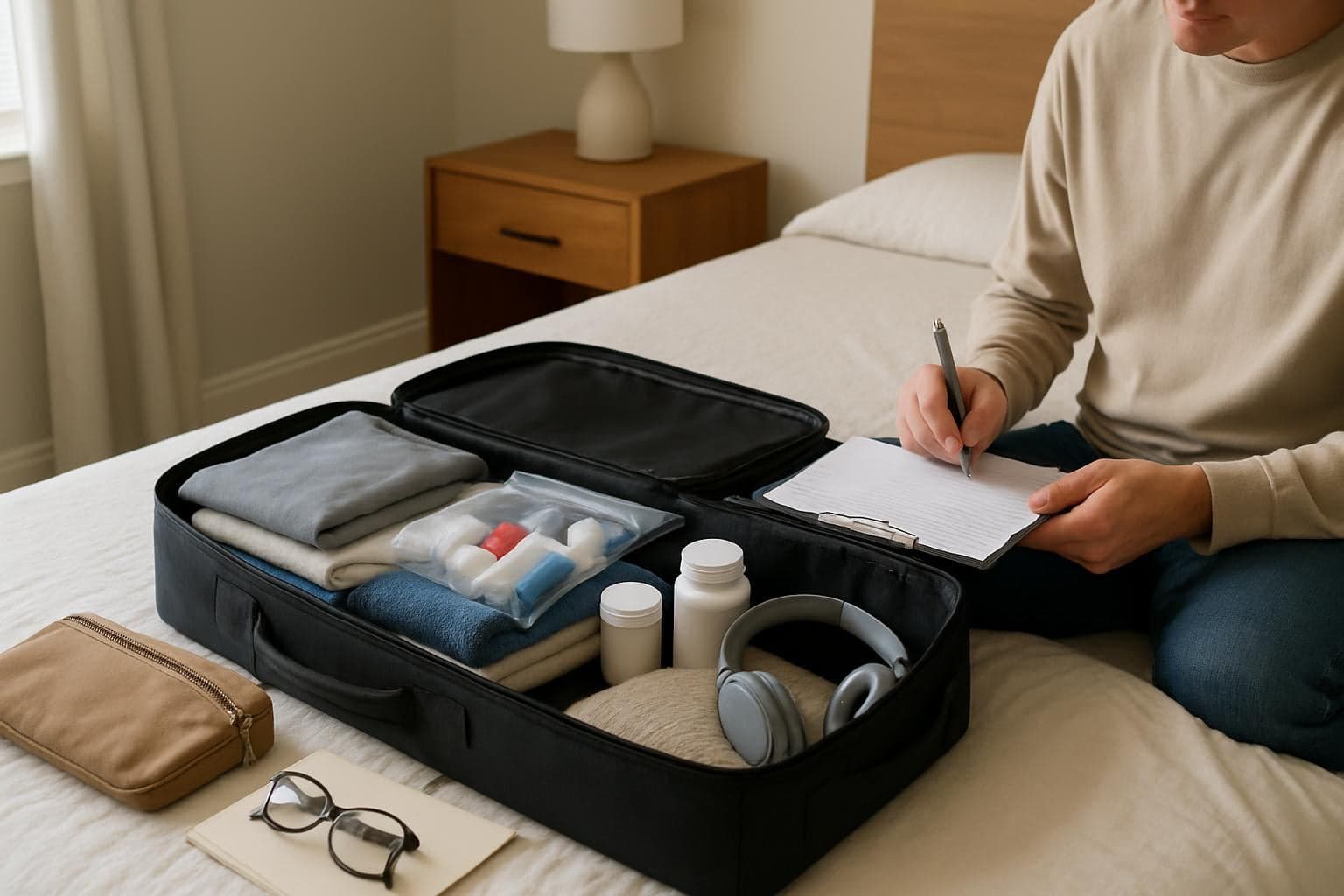
What to Pack for Rehab: Complete Checklist
Preparing for residential treatment can feel overwhelming, especially when different programs have different rules. A simple rehab packing list can make admission day calmer and he…

Sober Living Homes: What They Are & How to Choose One
A sober living home is a substance-free shared residence where people can build stability, routines, and supportive relationships during recovery. It can provide a practical bridge…

How to Stage an Intervention: Step-by-Step Guide
When someone you care about is living with addiction, it is natural to want one conversation that changes everything. An intervention can create an opportunity to accept help, but…